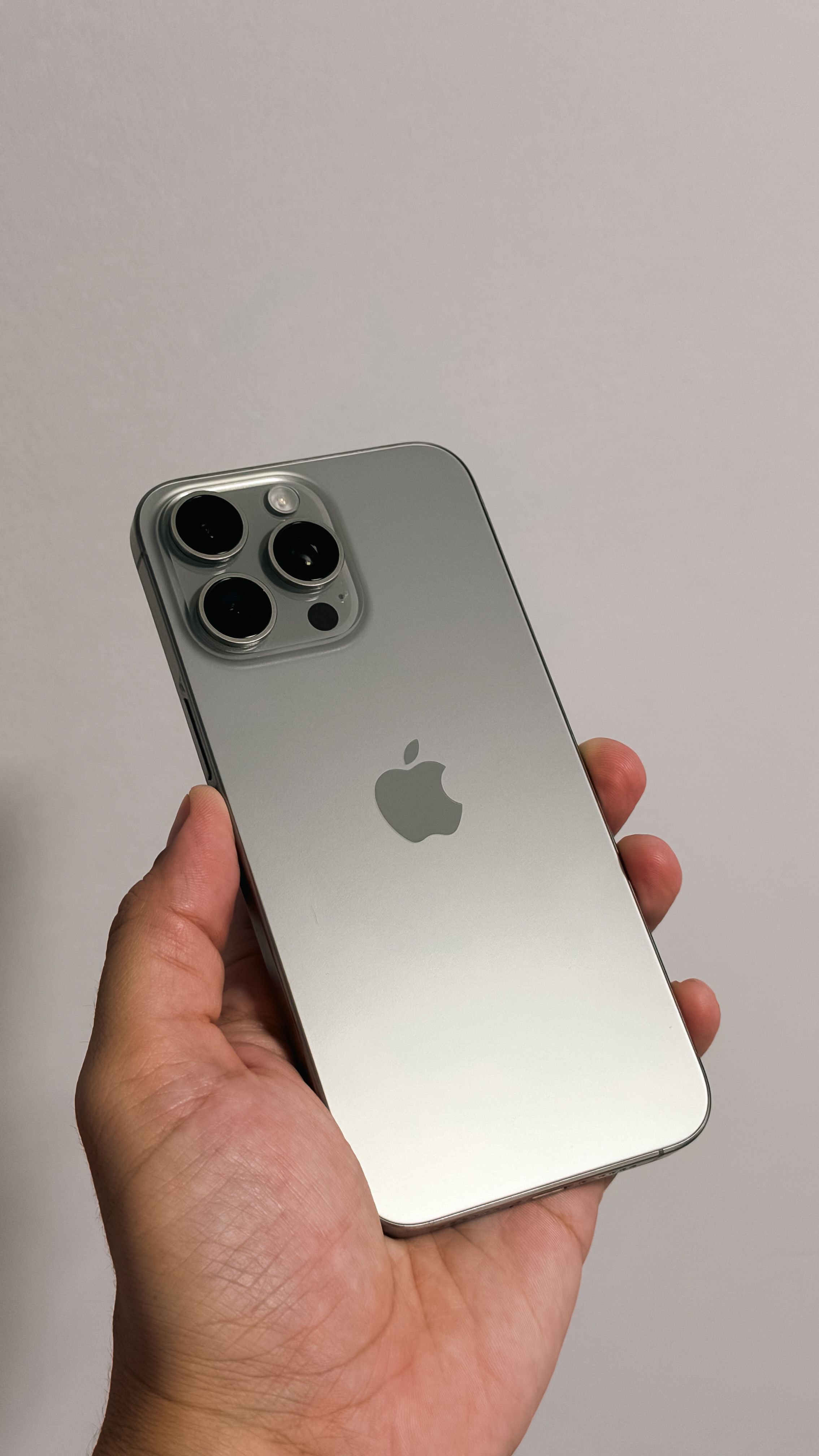
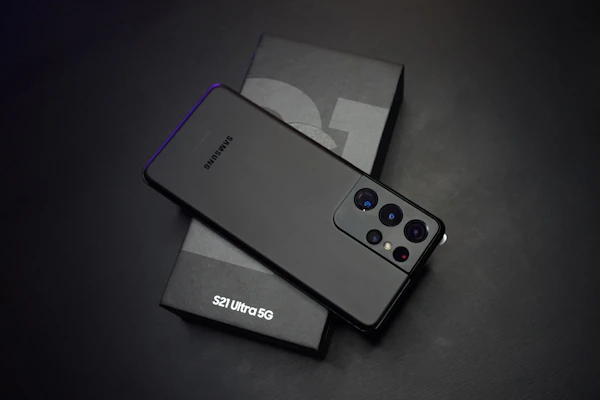
In hand, these two phones represent completely divergent philosophies of what a flagship should feel like. Apple prioritized pocketable, one-handed density; Samsung engineered an expansive, uncompromised media canvas.
1. Chassis Ergonomics: 199g Compact vs Rounded Titanium Curves
At 199 grams and a 6.3-inch display diagonal with 1.4mm slim bezels, the iPhone 16 Pro is effortlessly usable with one hand on crowded metros, during morning runs, or when replying to quick messages. Apple concentrated the heavier thermal mass toward the lower middle axis, giving it a balanced center of gravity that resists slipping.
The Galaxy S25 Ultra, at 219 grams, is 13 grams lighter than last year's S24 Ultra and slims down to 8.2mm. Crucially, Samsung finally rounded off the sharp 90-degree bottom corners that previously dug painfully into palms. While it is significantly more comfortable to hold for long sessions, it remains a two-handed device that will stretch smaller pockets.
2. Display Coating: Gorilla Armor 2 Glare Elimination vs Ceramic Shield
The single greatest optical revelation on the Galaxy S25 Ultra is Corning Gorilla Armor 2. By incorporating a nano-etched anti-reflective coating, it cuts nearly 75% of ambient light reflections. Reading a dark-mode email or watching a high-contrast movie under blazing sunlight or harsh indoor halogen lamps is astonishingly clear on the S25 Ultra—no reflection of your face or ceiling lights obscures the pixels.
The iPhone 16 Pro's Ceramic Shield 2 offers industry-leading drop and crack resistance, but remains a standard glossy mirror under harsh lighting, forcing you to crank screen brightness to maximum nits just to combat surface reflections.