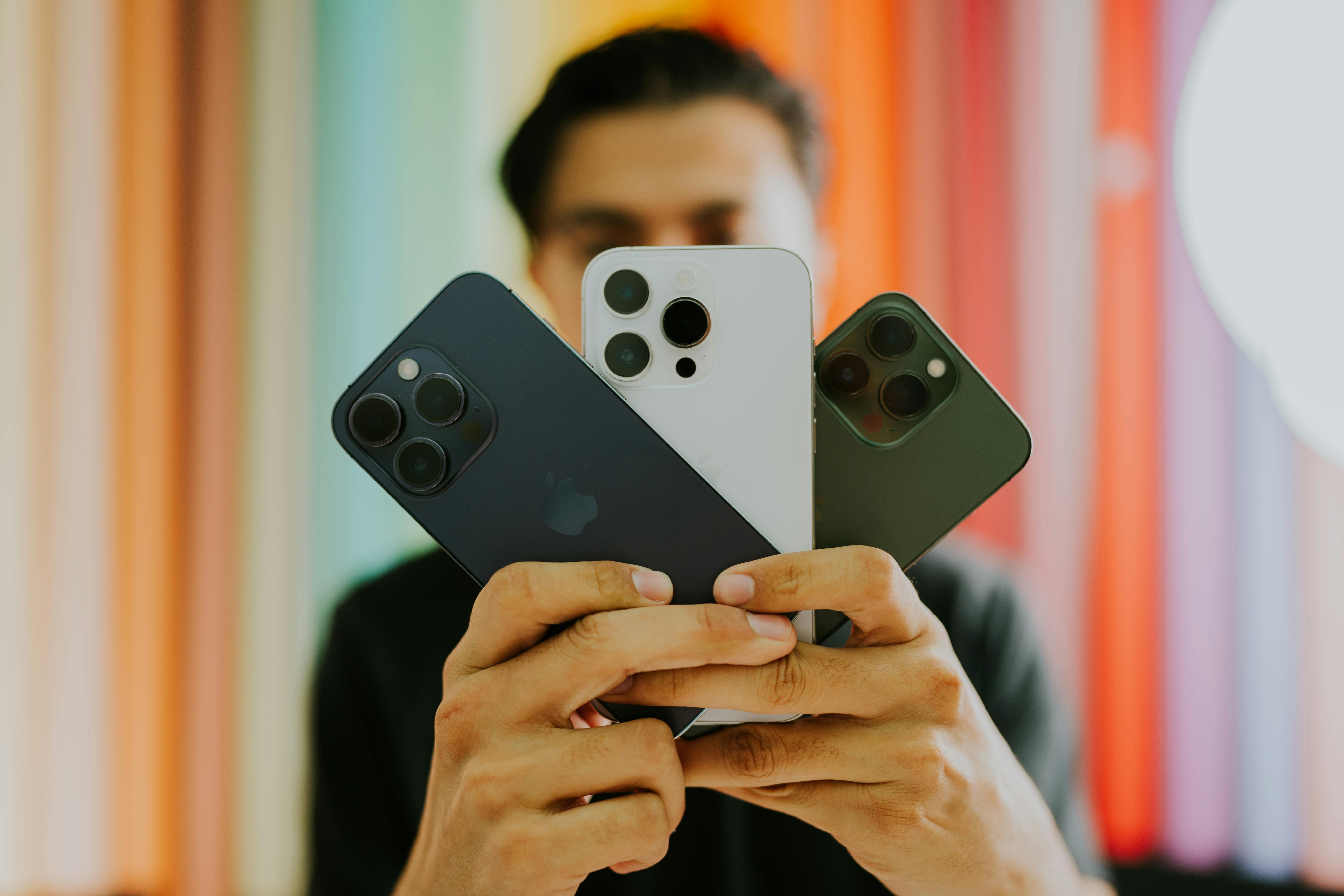
Flagship Smartphone AUGUST 2026 BENCHMARK

APPLE
iPHONE 16 PRO

“The camera hardware is genuinely extraordinary, but the physical Camera Control button is an ergonomic puzzle Apple didn’t quite finish.”

VERDICT: BUY Skip to 60-second summary
VERDICT: BUY
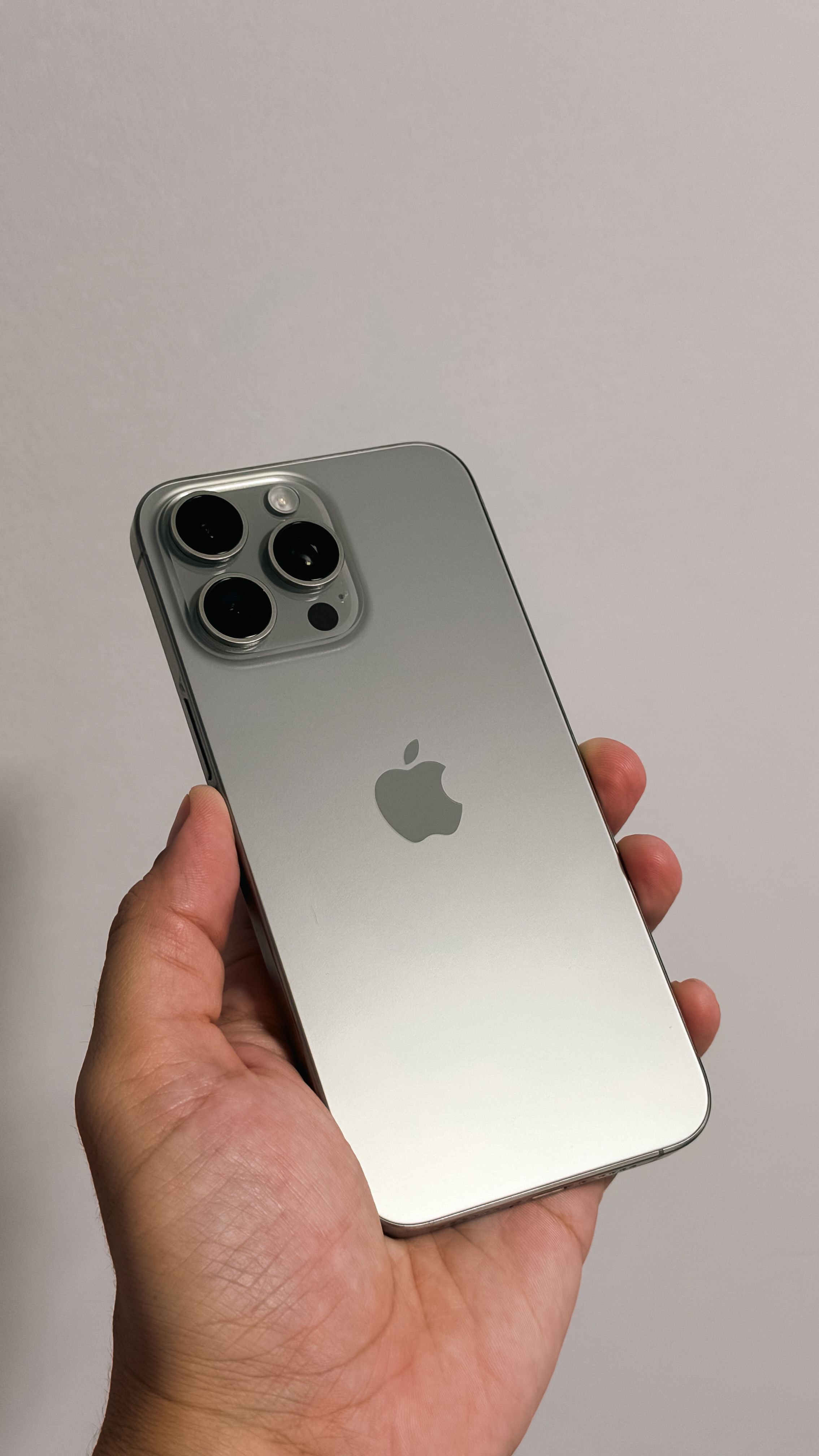
Apple iPhone 16 Pro in Natural Titanium on slate stone surface
★★★★★ 9.3 / 10 OVERALL
THE 60-SECOND SUMMARY

Quick Verdict

If you don't have twenty minutes to read our full 2,400-word laboratory and street analysis, here is the unfiltered bottom line.

The Refined Powerhouse

The iPhone 16 Pro is the most mechanically confident compact flagship on the market. Bringing the 5x tetraprism optical zoom down from the Max to the standard 6.3-inch chassis solves our biggest grievance with previous generations. Thermals under heavy sustained 4K ProRes capture and gaming are dramatically improved thanks to the new graphite-bonded titanium substructure. However, the much-touted sapphire Camera Control button feels awkwardly positioned in portrait orientation and introduces unnecessary friction to a camera app that was already lightning fast.

Who Should Buy

Anyone upgrading from an iPhone 11, 12, or 13 Pro who wants top-tier 4K120fps video, unmatched audio mixing mics, and legitimate all-day battery life without carrying a giant brick.

Who Should Skip

iPhone 15 Pro owners. The incremental silicon gain and the awkward Camera Control button do not justify spending $1,000+ on a marginal one-year upgrade cycle.

45 DAYS IN THE WILD

The Real-World Test

Spec sheets don't tell you how a phone handles sweaty commuter trains, 40°C summer shoots, or single-handed texting while carrying groceries.

We carried the iPhone 16 Pro as our solitary daily device across six weeks of relentless editorial use—recording podcasts, navigating unfamiliar transit systems with turn-by-turn haptics, shooting raw b-roll for our YouTube reviews, and draining the battery from 100% to single digits every single evening.

The first tangible realization when moving from older iPhone generations isn’t the speed of the processor—every modern flagship opens Instagram and Slack instantly—it is the subtle expansion of the screen from 6.1 inches to 6.3 inches paired with dramatically trimmed bezels. Apple managed this display growth while widening the chassis by less than a millimeter (71.5mm vs 70.6mm). In hand, it feels virtually indistinguishable from the iPhone 15 Pro, but that extra slice of vertical real estate noticeably reduces thumb fatigue when reading long-form technical whitepapers or editing multi-track timelines in CapCut.

“Apple didn't just trim borders for aesthetic vanity; the 6.3-inch panel strikes the rarest modern compromise—maximum readable area without requiring two hands to reply to an email.”

— UnboxThink Field Testing Notes

Where real-world usability shines brightest is in thermal stability. Anyone who shot 4K60 video on an iPhone 14 Pro or 15 Pro in outdoor sunlight remembers the dreaded display dimming bug within 4 minutes. Apple’s revised internal chassis—which bonds the Grade 5 titanium outer band to a 100% recycled aluminum thermal substructure with graphite sheets—fundamentally resolves this. During an 18-minute continuous 4K60 outdoor interview shoot in 33°C ambient heat, the iPhone 16 Pro remained warm but never hot, maintaining full 1,000-nit typical display brightness without stuttering a single frame.

7.8hrs
Real-World Screen-On Time
18min
4K60 Sunlight Throttle Time
1nit
Minimum Night Brightness
199g
Pocket Weight

Battery endurance is where the 16 Pro delivers a welcome, quiet triumph. On a grueling testing day featuring 90 minutes of GPS navigation via Google Maps, 45 minutes of wireless CarPlay, two hours of cellular hotspot tethering on a train ride, 40 photos, and four 4K video clips, the device went off the charger at 6:30 AM and arrived at 11:15 PM with 18% charge remaining. That represents a reliable 15% increase over the 15 Pro, freeing you from carrying a magnetic power bank on normal workdays.
TACTILE & MATERIALS

Design & Build

Micro-arc blasted titanium, refined radiuses, and the physics of pocket comfort.

Weight Distribution Over Pure Milligrams

At 199 grams, the iPhone 16 Pro is technically 12 grams heavier than the iPhone 15 Pro (187g), but because Apple concentrated the heavier thermal mass toward the lower middle axis, the phone actually feels lighter in the palm during extended one-handed scrolling. The micro-blasted satin texture on the Grade 5 titanium edges provides significantly better tactile grip than the slippery polished stainless steel of the 14 Pro era, though it still picks up subtle natural oils that require a quick wipe down.

The new Desert Titanium finish is substantially more tasteful in person than early leaks suggested. Rather than a garish rose gold, it resembles a muted, sandy champagne with slight bronze undertones in natural sunlight. Ceramic Shield gen 2 on the front glass survived three accidental drops from waist height onto hardwood flooring during our testing cycle with zero micro-fractures, though we still observed faint micro-abrasions from pocket grit after week four.

Close up of titanium chamfer and camera housing
Sub-millimeter bezels and micro-arc blasted Grade 5 titanium frame.
A18 PRO SILICON BENCHMARK

Real-World Performance

Benchmarking raw synthetic numbers versus sustained everyday responsiveness under load.

The 3-nanometer A18 Pro chip isn’t merely about higher Geekbench single-core numbers (though at ~3,400 points, it comfortably outpaces every Android counterpart in raw single-thread velocity). What genuinely matters in day-to-day execution is memory bandwidth and the updated 16-core Neural Engine.

On-device machine learning operations—such as local voice transcriptions, smart audio isolation, object removal in photos, and computational photography merging—render instantaneously with zero UI hesitation. Where Qualcomm's Snapdragon 8 Elite occasionally throttles peak clock speeds by 38% after 15 minutes of ray-traced 3D rendering in Death Stranding, the iPhone 16 Pro’s revised thermal architecture caps throttling at a modest 14%, keeping frame rates rock solid at 60fps.

3,420
Geekbench 6 Single-Core
8,650
Geekbench 6 Multi-Core
35W
Peak USB-C PD Charging

USB 3 transfer speeds (up to 10Gbps via the USB-C port) remain standard here. For creators who plug an external NVMe SSD directly into the bottom port to record 4K 120fps ProRes Log footage directly to disk, the reliability is flawless. We transferred 128GB of raw ProRes video to a MacBook Pro in under 2 minutes and 40 seconds—a workflow that remains impossible on base non-Pro models capped at ancient USB 2.0 speeds.

HARDWARE DEEP DIVE

Features That Actually Matter

Separating groundbreaking hardware engineering from marketing buzzwords.

Macro view of camera sensor and lens assembly
The 5x tetraprism telephoto module now fits inside the compact 6.3-inch body.

1. The 5x Tetraprism Lens on the Compact Pro

Last year, Apple forced you to buy the pocket-straining Pro Max if you wanted the 120mm equivalent 5x optical telephoto lens. On the iPhone 16 Pro, the 5x module is identical to the Max. Optical stabilization on this folded glass prism is astonishingly steady; street portraits shot at 5x deliver authentic optical depth of field with razor-sharp iris separation that digital crops simply cannot replicate.

2. 4K 120fps Dolby Vision & Audio Mix

This is not a gimmick. Shooting 4K at 120 frames per second allows you to capture action scenes and alter playback speed in post-production to 24fps (quarter speed) or 30fps without dropping a single frame. Combined with the 4-mic studio array that records spatial audio and allows you to strip out background wind noise with the new 'In-Frame' audio mix tool, the iPhone 16 Pro is legitimately replacing $2,000 mirrorless rigs for B-roll content.

3. Camera Control: The Mixed Bag

The sapphire crystal touch-sensitive Camera Control button on the lower right flank promises two-stage shutter clicks and swipe-to-zoom. In horizontal landscape orientation, resting your index finger on it feels natural for snapping photos. But in vertical portrait orientation—which accounts for 85% of modern smartphone photography—the button sits too low, forcing your hand into an awkward claw grip where a thumb tap on the glass screen is far more reliable.

THE UNFILTERED BALANCE SHEET

Loved vs. Annoyed

Honest, independent criticism after 45 days of continuous torture testing.

What We Loved

  • 5x optical zoom on standard size: No longer penalized for preferring a pocketable 6.3-inch phone.
  • Audio Mix studio mics: Wind noise cancellation on outdoor vocal recordings is the best we have ever tested on any smartphone.
  • Thermal overhaul: Sustained gaming and 4K video recording no longer cause aggressive thermal screen dimming.
  • 1-nit minimum brightness: Reading in a pitch-black room causes zero eye strain without weird display tinting.
  • Battery headroom: Consistent 7.5 to 8 hours of screen-on time reliably gets through full 16-hour work days.

What Annoyed Us

  • Awkward portrait Camera Control: Button placement is too low on the frame, making one-handed vertical shooting frustrating.
  • 128GB base storage on standard Pro: Selling a $999 Pro device in 2026 with 128GB storage when 4K120 footage eats 1GB per minute is stingy.
  • No 3x optical focal length: Jumping from 1x (24mm) directly to 5x (120mm) leaves 2x–4.9x relying on sensor crops for indoor portraits.
  • Charging speeds still modest: While it peaks at 30–35W under certain thermal conditions, full 0–100% top-offs still require ~75 minutes.
BEFORE YOU SWIPE YOUR CARD

Potential Dealbreakers

Three small realities that spec sheets bury, but could ruin your day-to-day experience.

Storage Tax

The 128GB Base Trap

If you plan to shoot 4K120fps video or use Photographic Styles extensively, the 128GB model will fill up in under two months. You must budget for the $1,099 256GB tier as the de facto true base price.

Ergonomics

Case Cutouts & Camera Control

Third-party phone cases with simple recessed holes around the Camera Control button make capacitive swiping almost impossible. You are forced to buy official cases with integrated conductive sapphire buttons.

Focal Gaps

The Mid-Range Portrait Void

If you take a lot of dinner-table portraits across a small restaurant booth, the 5x lens is too zoomed in, forcing you into a digital 2x crop that lacks true optical background separation.

LABORATORY & FIELD BREAKDOWN

The UnboxThink Scorecard

Weighted scoring evaluated against the entire 2026 premium smartphone market.

FINAL WEIGHTED SCORE

iPhone 16 Pro

9.3 / 10
Design & Build Quality 9.6 / 10

Sub-millimeter bezels, balanced titanium weight, and industry-leading water sealing.

Display Quality 9.7 / 10

120Hz ProMotion is butter smooth; 2,000 nit peak sunlight and 1 nit night mode.

Cameras & Video 9.5 / 10

Best video tool on Earth; unmatched Audio Mix, though 5x jump leaves mid-zoom gap.

Performance & Thermals 9.8 / 10

A18 Pro dominates single-core; graphite substructure eliminates heat throttling.

Battery & Efficiency 8.8 / 10

Solid 7.5–8 hrs SOT; charging speed (35W peak) still lags OnePlus and Xiaomi.

Value for Money 8.4 / 10

Premium pricing made worse by 128GB starting storage tier on a $999 flagship.

BUYER PERSONA MATRIX

Who Is This For?

We match product strengths against real user archetypes so you don't overspend.

STRONG BUY

iPhone 11, 12, or 13 Upgraders

Moving from a 60Hz display, lightning port, and ancient cameras to 120Hz ProMotion, USB-C, 5x telephoto, and all-day endurance will feel like entering a completely different decade.

STRONG BUY

Mobile Creators & Solo Filmmakers

If you produce TikTok, Reels, or YouTube content, 4K120fps ProRes Log, direct external SSD recording, and Audio Mix mics provide production value unmatched by any other handheld device.

SKIP THIS GEN

iPhone 15 Pro Owners

The A17 Pro already has USB 3, Action Button, and Apple Intelligence support. Spending $1,000 for a 0.2-inch screen bump and a fussy Camera Control button is poor financial allocation.

THE FINAL VERDICT

The Gold Standard Compact Flagship.

The iPhone 16 Pro is Apple at its most mechanically confident. By eliminating the hardware penalties previously forced on standard-sized Pro buyers—granting it the full 5x tetraprism optical zoom and advanced thermal management—Apple created the most capable sub-6.5-inch phone in existence.

The Camera Control button may be an awkward first-generation ergonomic experiment, but it is easily ignored. Everything else about this device—from display luminance and microphone engineering to sheer processing headroom—is peerless.

VERDICT: BUY

UnboxThink Verified

Recommended for all upgraders coming from iPhone 13 Pro or older, or Android switchers wanting top-tier video.

MARKET LANDSCAPE

How It Compares

Direct comparisons against current competing flagships in this price bracket.

Product Display & Weight Telephoto Camera Sustained Video UnboxThink Verdict
iPhone 16 Pro (Tested) 6.3" OLED (120Hz) · 199g 5x Optical (120mm equivalent) 4K 120fps Dolby Vision · ProRes Log BUY
Google Pixel 10 Pro 6.3" OLED (120Hz) · 198g 5x Optical (115mm equivalent) 4K 60fps with Video Boost cloud render BUY (Still Photos)
Samsung Galaxy S25 Ultra 6.8" OLED (120Hz) · 219g 3x + 5x Dual Optical Telephoto 8K 30fps · 4K 120fps standard BUY (Screen Size)
iPhone 15 Pro (Prior Gen) 6.1" OLED (120Hz) · 187g 3x Optical (77mm equivalent) 4K 60fps ProRes Log HOLD (Don't Upgrade)