
 Before You Buy
THE COMPARISON DESK — BUYING DECISION HUB
THINK BEFORE
YOU BUY
Ask before you add to cart.
Before you unbox anything, ask us first. Myth checks, real-cost breakdowns, upgrade verdicts and the questions worth asking — all built from testing, not guessing.
The Full
Library
Every myth check, upgrade verdict, cost breakdown and guide on this desk — filterable and growing every week.
Before You Buy
 Myth vs Reality
Myth: More Megapixels Means Better Photos
See the reality Worth the Upgrade
MacBook Air M2 to M4: Worth the Jump?
Read the verdict Hidden Costs
The Real Cost of Owning a Robot Vacuum
See the breakdown Buy or Skip
Buy It or Skip It: Noise-Cancelling Headphones
Get the verdict Opinion
You Probably Don't Need the Ultra Tier
Read the argument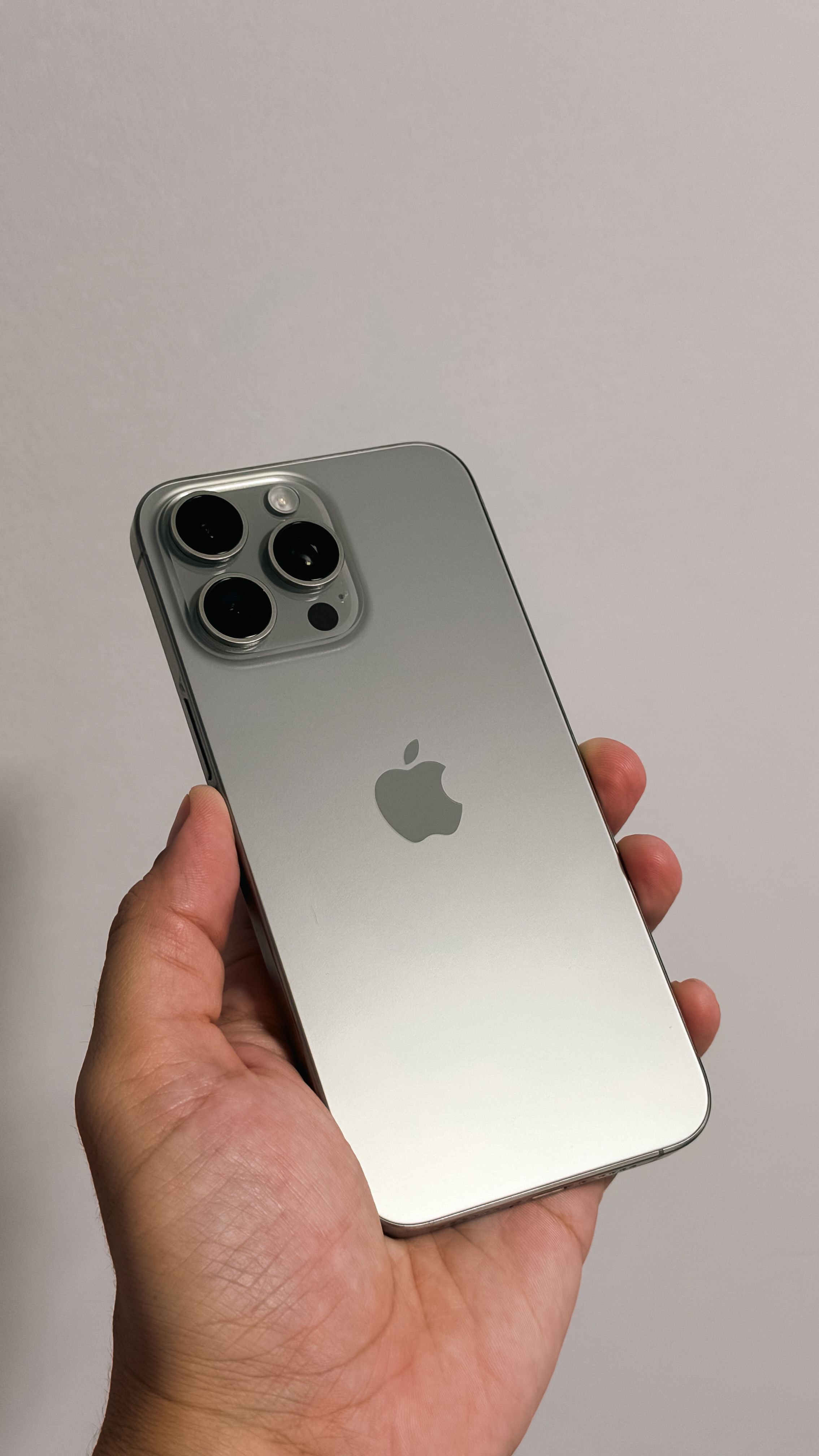 Evergreen
Should I Buy Now, or Wait for the Next Model?
Get the answer Before You Buy
Before You Buy a Budget Laptop, Ask This
Read the checklist Myth vs Reality
Myth: Extended Warranties Are Always a Waste
See the reality Evergreen
Is a Refurbished Phone Worth the Savings?
Get the answerNothing in this category yet — browse everything we've published.

Myth vs
Reality
The claims printed on the box, checked against what actually changes how a product feels to use.
Myth
More RAM always means a faster phone.
Reality
Past 8GB, most people will never notice the difference in daily use — the real bottleneck moved to the chip years ago.
Smartphones
See the full myth-check
Myth
More megapixels means better photos.
Reality
Sensor size and processing decide most of what you actually see — the megapixel number on the box barely moves the needle.
Cameras
See the full myth-check
Myth
Extended warranties are always a waste of money.
Reality
For anything with a battery or a spinning drive, a 2-year plan pays for itself more often than people assume.
Ownership
See the full myth-check
Worth the
Upgrade?
We put the new model next to the one you already own and asked whether the difference is worth the money.
iPhone 15 Pro → iPhone 16 Pro
The verdict
Wait- Camera Control button is nice, not essential
- Battery gains are incremental, not dramatic
- Trade-in value drops fastest right after launch
MacBook Air M2 → MacBook Air M4
The verdict
Worth it- Two full chip generations, not one
- Base RAM finally clears 16GB
- M2 resale value still offsets most of the cost
Apple Watch Series 9 → Series 11
The verdict
Skip it- Same case design, same core sensors
- Blood-pressure alerts are the only headline feature
- Series 9 still gets the newest watchOS updates
Hidden Costs,
Real Cost
The sticker price is the beginning of the story. Here's what four popular categories actually cost to own.
-
Robot Vacuum
Sticker price$399Replacement brushes & filters / yr$45Replacement bags / yr$40Optional app subscription$0–$3/mo3-year real cost≈ $654
-
Espresso Machine
Sticker price$249Descaling solution / yr$18Water filters / yr$24Replacement gaskets, avg$123-year real cost≈ $411
-
Gaming Console
Sticker price$499Online subscription / yr$80Extra controller$70Digital markup vs. physical, avg$10/title3-year real cost≈ $980
-
Standing Desk
Sticker price$429Cable management add-ons$35Anti-fatigue mat$60Delivery & assembly, avg$503-year real cost≈ $574

Who Should
Buy It?
Every product is right for someone and wrong for someone else. Here's how to tell which one you are.
Noise-Cancelling Headphones
Buy it if
- You fly or commute more than once a week
- You work in a loud, open office
Skip it if
- You mostly listen at home
- You already own a decent pair from two years ago
4K OLED TV
Buy it if
- Your room is dim most of the time you watch
- You watch a lot of film and prefer accurate color
Skip it if
- Your living room gets heavy daytime glare
- You mainly watch sports or bright daytime content
Smart Ring
Buy it if
- You want sleep tracking without wearing a watch to bed
- You've stopped wearing your smartwatch daily
Skip it if
- You want notifications visible on your wrist
- You're not willing to pay a subscription for full data
Standing Desk Converter
Buy it if
- You already like your desk and don't want to replace it
- You want to try standing before committing further
Skip it if
- Your desk is small enough that a converter eats the whole surface
- You're ready to commit to a full standing desk anyway
You Probably
Don't Need This
The unsponsored opinions we'd tell a friend at dinner, not just in a review.
OPINION
You probably don't need the Ultra tier
Every category now has a "top of the line" model priced to make the regular version look cheap by comparison. Most of what the Ultra tier adds — extra zoom, a bigger battery you'll never fully drain, a frame material you won't notice — solves problems most owners don't have.
Read the essay
OPINION
The extended warranty question nobody answers honestly
Retailers push them because the margin is enormous, so reviewers reflexively wave them off. But the math depends on what's inside the product — a plan on something with a battery and a spinning fan is a different bet than the same plan on a $20 accessory.
Read the essayThe UnboxThink
Method
Every verdict on this page follows the same process, whether it's a $30 accessory or a $2,000 laptop.
01 — SOURCING
We buy it ourselves
No loaners, no press units. Every product on this desk was bought at retail price with our own budget, the same way you'd buy it.
02 — TESTING
We live with it
A minimum of two to four weeks of daily use before we write a word — long enough for the day-one excitement to wear off.
03 — COMPARING
We test it against a rival
Nothing gets reviewed in isolation. We put it head-to-head against at least one direct competitor before forming a verdict.
04 — PUBLISHING
We publish, then recheck
Verdicts get revisited when the price drops, a firmware update changes the experience, or a new competitor lands.
Who writes this: Every guide on this page is written and fact-checked by the UnboxThink desk — no sponsored placements, no affiliate-first rankings. See our sourcing on the about page, or cross-check any verdict here against the full reviews archive.
Evergreen
Buying Guides
Questions that don't expire — the ones worth asking no matter which year you're reading this.
Should I buy now, or wait for the next model?+
If the category refreshes yearly with only minor gains (most phones, most laptops), buying now rarely costs you much — you can always sell before the next launch. If it's a category with real generational leaps (foldables, VR headsets), waiting one more cycle usually pays off. Check our Worth the Upgrade verdicts before you decide.
Is last year's flagship still worth buying at a discount?+
Usually yes, with one exception: check the support timeline before you buy. If the software or security-update window is close to ending, the discount stops being a deal. Otherwise, a one-generation-old flagship at 25–30% off almost always beats this year's mid-range model.
Do I actually need the Pro or Ultra tier?+
Ask what the extra tier actually unlocks, not what it's named. If you can't name the specific feature you'd use weekly, you're paying for a bigger number on the spec sheet. See our full take in You Probably Don't Need This.
How long should this actually last before I replace it?+
It depends on the category more than the brand: phones and laptops, 3–5 years of comfortable use; headphones and small electronics, 2–4 years before batteries degrade noticeably; large appliances, 7–10 years if maintained. We note expected lifespan in every full review.
Is a refurbished or open-box unit worth the savings?+
When it comes from the manufacturer or a certified program with a real warranty, almost always yes — the savings can run 15–30% for functionally identical hardware. Third-party "refurbished" with no warranty is a different risk entirely; treat it like buying used.